
What sustainable event catering really means, how we approach it at Indulgence, and the questions worth asking any caterer before you book.
A single exceptional evening asks a great deal of the earth: the produce, the miles it travels, the energy of the kitchen, and whatever is left on the plate when the last course is cleared. For most of hospitality's history, that cost went unexamined. It no longer can, and it no longer does. Bridebook's 2026 survey of more than 7,000 couples found that 83% make a sustainable effort in at least one element of their wedding. Corporate clients increasingly ask their suppliers the same questions.
Sustainability is easy to claim and harder to practise. This is how we think about it, where we are still working, and what to look for when you choose who will feed your guests.
What makes event catering sustainable?
Sustainable event catering means planning, sourcing, cooking and serving food in a way that reduces its environmental cost without reducing the experience. In practice it comes down to four things: what goes on the menu and where it comes from, how much of it is wasted, what is thrown away beyond the food, and how people and suppliers are treated along the way. None of these is settled by a single policy. Each one depends on hundreds of small decisions, made consistently.
It starts with what goes on the plate
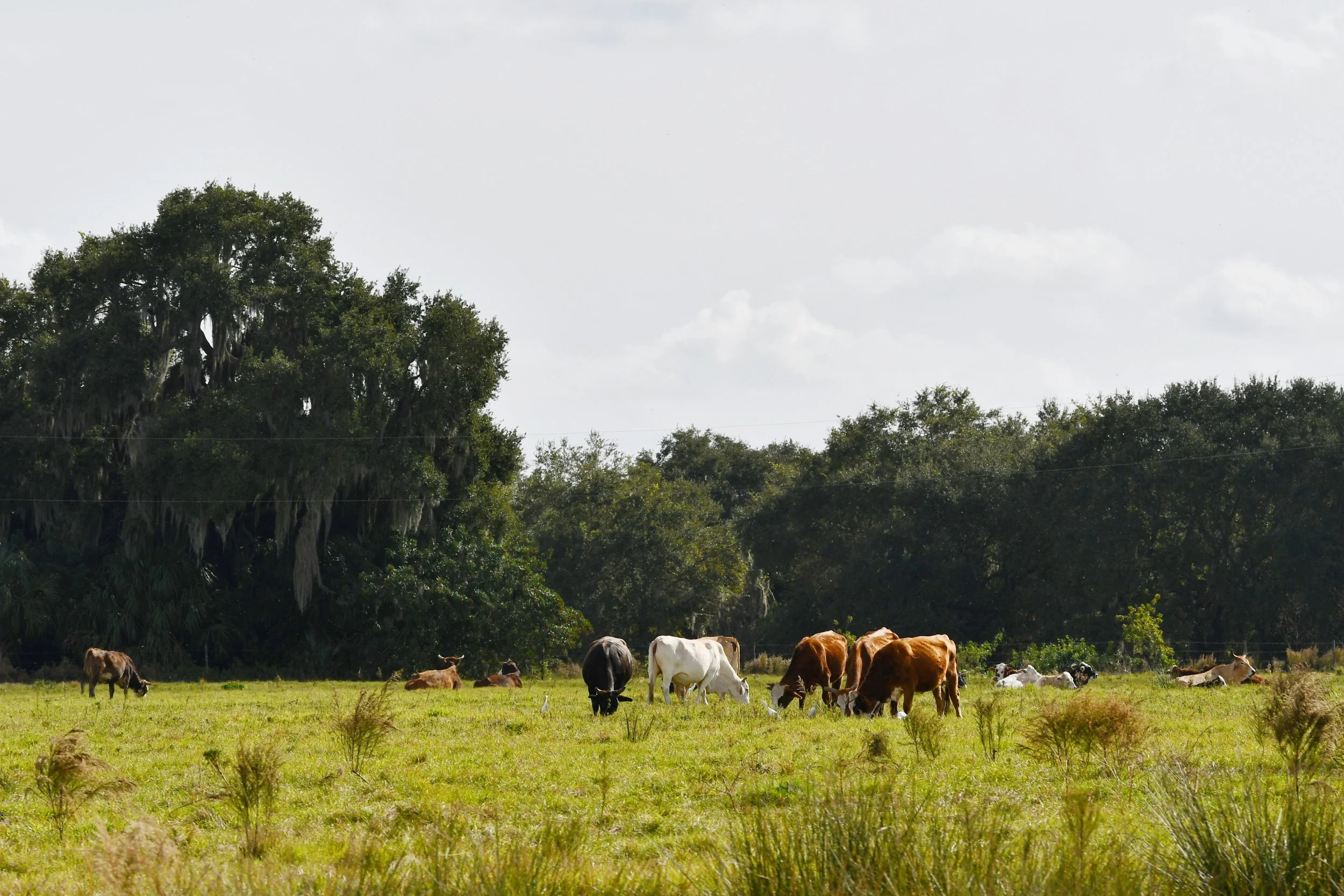
Every dish begins with a decision about where its ingredients come from. We favour producers and practices that protect the land and water they draw on: recipes built around sustainable fishing rather than depleted stocks, and produce grown in ways that support the ground rather than exhaust it. Where we can source close to home, we do. Where the choices on a menu can support local biodiversity, that shapes what we serve as much as flavour does.
Why your date should shape your menu
The most useful thing a couple or event planner can do is let the season write the first draft of the menu. Food at its natural peak needs less intervention, travels less far and simply tastes better. A May wedding might open with English asparagus. An August celebration has soft fruit and tomatoes at their best. By September and October, game, orchard fruit and roots arrive, and globe artichokes are still in season. The artichoke is a favourite of ours, for reasons we explain here.
A season-led menu is not a restricted one. It is a more confident one, and it gives the kitchen room to cook rather than simply assemble.
Close to home, where it makes sense
Local is not automatically better. A well-managed fishery a few hundred miles away can be a better choice than a poorly run one nearby. We treat proximity as one factor among several, alongside how something is grown or caught and whether it is at its best.
The food that is never eaten
Food waste is where hospitality's environmental cost and its commercial cost meet. WRAP, the UK's leading waste charity, estimates that food waste costs the hospitality and food service sector £3.2 billion a year, an average of around £10,000 per outlet. Every one of those pounds bought food, paid for its transport and used energy to cook it, only for it to be thrown away.
At events, the causes are familiar: guest numbers that change late, portions designed for appearance rather than appetite, and buffets built to look generous at the close of service. Planning prevents most of it. Accurate final numbers, careful attention to dietary requirements and menus designed around how guests actually eat all help.
What food waste remains in our kitchens does not go to landfill. It is composted on site and returned to our own fields, a closed loop that carries on working long after the event is over.
Beyond the plate
Real sustainability asks more than good intentions at the bin. Single-use plastics have no place in our kitchens or at our events. Nothing reaches landfill until every option to reduce, reuse or recycle it has been exhausted. Our logistics are held to the same standard, with routes and transport chosen for their impact as well as their efficiency.
People are part of it too
A sustainable business has to sustain its people and its community as well as the land. We partner with Shipston Home Nursing, our chosen local charity, through real time and involvement from the whole team rather than a gesture at arm's length. Our apprentices, from the kitchen to event management, are given a genuine route into the industry. The people who will shape hospitality's future need somewhere to learn it properly.
Held to account
We would rather say honestly that this work is unfinished than claim a finished picture. Our environmental practices are guided by the principles of ISO 14001, the international standard for environmental management, and sit within The Kitchen & Co Collective's wider ESG programme, shaped by the United Nations' Sustainable Development Goals. We are working towards B Corp certification as part of our targets for 2030. We chose it deliberately because it is assessed independently, not a standard we mark ourselves against.
Planning a more sustainable wedding or event: questions to ask your caterer
Whether or not you work with us, these five questions will tell you a great deal about any caterer's approach:
How will the season shape our menu? A good answer names specific produce for your date, not a general commitment to seasonality.
Where do your main ingredients come from? Listen for detail about fish, meat and dairy in particular.
What happens to food waste after the event? Composting, redistribution or landfill are very different answers.
Do you use single-use plastics? Consider serviceware, packaging, straws and the kitchen itself.
How do you hold yourselves to account? Look for external frameworks and honest answers about work still in progress.
Frequently asked questions
What is sustainable wedding catering? Sustainable wedding catering means designing the wedding meal to reduce its environmental impact, through seasonal and responsibly sourced ingredients, careful planning to prevent food waste, responsible handling of the waste that remains and the removal of single-use plastics, without compromising the experience for guests.
How can we reduce food waste at our wedding? Confirm accurate final numbers, share dietary requirements early, choose a menu and service style suited to how your guests eat, and ask your caterer what happens to any food waste after the event.
Is Indulgence B Corp certified? Not yet. The Kitchen & Co Collective is working towards B Corp certification as part of its 2030 targets.
Is sustainable catering more expensive? Not necessarily. Food bought in season is often better value, and preventing waste means paying for less food that is never eaten. The larger factor in cost is usually the menu and service style you choose.
Host beautifully, and leave things better than you found them
If you are planning a wedding, a private celebration or a corporate event and want the menu to reflect the season and your values, we would be glad to begin with your date.